AC Short Cycling: Causes, Risks, and What to Do
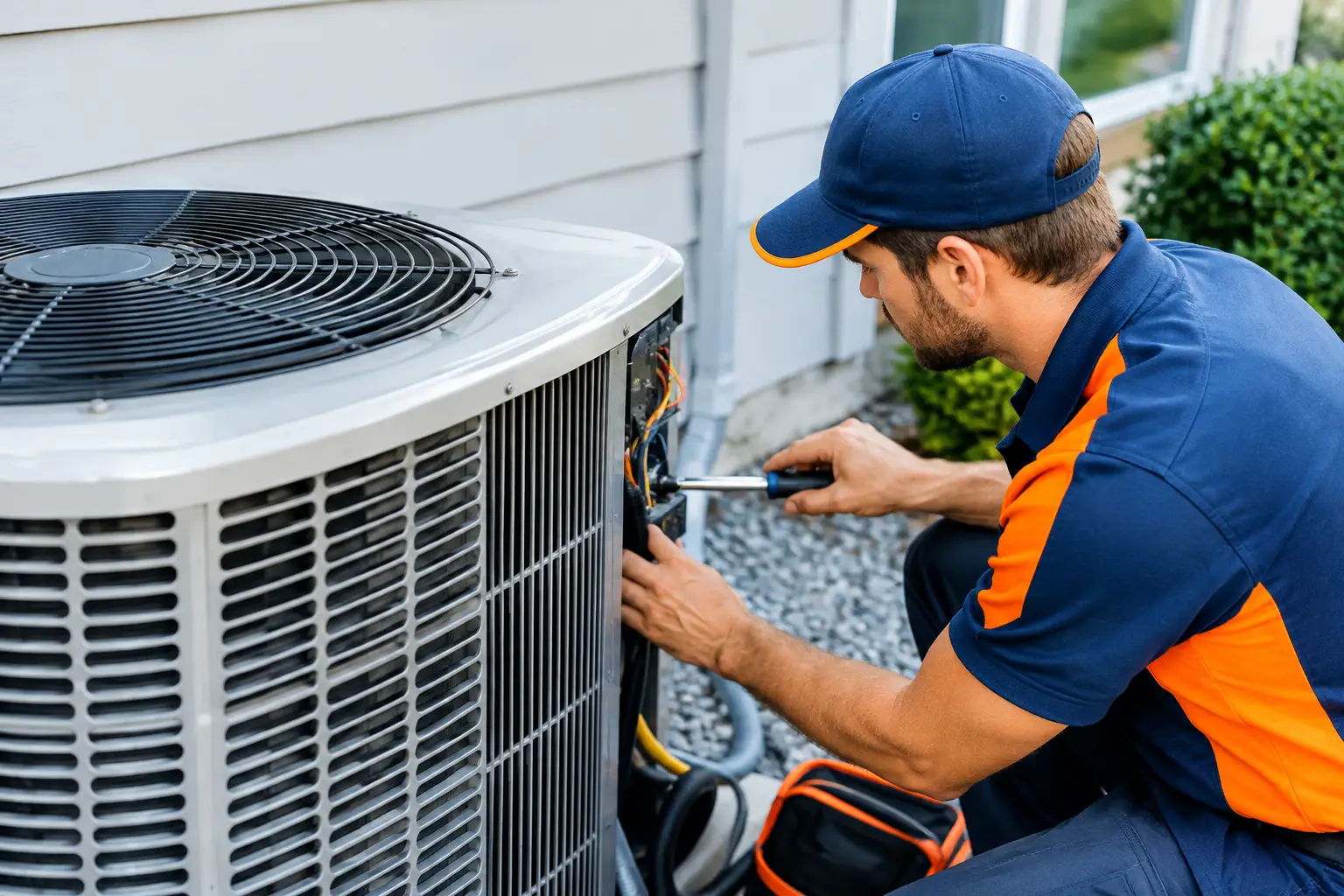
When your air conditioner starts, runs for only a few minutes, shuts off, and then starts again soon after, it is not just being annoying. AC short cycling can leave your Central Florida home humid, drive up electric costs, and put serious strain on equipment that is already working hard against the heat.
A normal AC system turns on, cools the home for a reasonable period, and shuts down once the thermostat setting is reached. The exact run time changes with outdoor temperature, insulation, thermostat settings, and system size. But repeated, short on-and-off cycles are a warning that something needs attention.
What Is AC Short Cycling?
Short cycling happens when an air conditioner cannot complete a normal cooling cycle. Instead of running long enough to remove heat and humidity effectively, the unit shuts down early and restarts repeatedly.
You may notice the indoor blower coming on and off every few minutes, the outdoor unit clicking on more often than usual, uneven temperatures between rooms, or a home that feels cool for a moment but never comfortable. Your utility bill may also climb even though the system does not appear to be running for long periods.
The issue can come from something simple, such as a dirty air filter or an incorrect thermostat setting. It can also point to a refrigerant problem, electrical failure, frozen coil, or improperly sized system. That is why short cycling should not be treated as a problem to wait out during a Florida summer.
Why Short Cycling Is Hard on Your AC
Starting an air conditioner requires more energy than continuing a normal cooling cycle. When the system starts over and over, it uses more electricity while delivering less consistent comfort. It also creates extra wear on components such as the compressor, capacitor, contactor, blower motor, and electrical connections.
The compressor is the biggest concern. It is one of the most expensive parts of an air-conditioning system, and frequent starts can shorten its service life. A repair that might have been limited to airflow, thermostat, or electrical service can become much more costly if the system continues cycling until a major component fails.
Short cycles also reduce dehumidification. In Central Florida, humidity control matters as much as temperature control. A system that shuts off too quickly may make the thermostat display the right number while the home still feels sticky, musty, or uncomfortable.
Common Causes of AC Short Cycling
A clogged air filter or airflow restriction
A severely dirty filter limits the air moving across the indoor evaporator coil. With too little airflow, the coil can become too cold and freeze. The system may then shut down on a safety control or struggle to cool correctly.
Closed supply vents, blocked return grilles, a dirty evaporator coil, or duct problems can create similar airflow issues. Homeowners can safely check the filter and make sure furniture, rugs, or curtains are not blocking returns or vents. If the filter is dirty, replace it with the proper size and type recommended for your system.
Thermostat placement or thermostat trouble
A thermostat that is exposed to direct sunlight, a nearby lamp, kitchen heat, or a supply vent can get misleading temperature readings. It may tell the AC to shut off too soon or turn back on too quickly.
Low batteries, loose wiring, calibration issues, and aging thermostats can also cause irregular operation. Avoid repeatedly changing the temperature setting to force the system to run. That can make the pattern harder to diagnose and may increase wear on the equipment.
Low refrigerant or a refrigerant leak
Refrigerant does not get used up like fuel. If the level is low, there is usually a leak that needs to be located and repaired. Low refrigerant can cause the evaporator coil to freeze, reduce cooling capacity, and trigger short cycling.
Signs may include weak airflow, warm air from vents, ice on the refrigerant line, hissing sounds, or a system that runs briefly before stopping. Refrigerant service requires trained HVAC professionals. Adding refrigerant without repairing the leak is not a lasting solution.
An oversized AC system
A system that is too large for the home can cool the thermostat area very quickly and shut off before it has circulated air and removed enough humidity. This often leads to frequent cycling, uneven comfort, and a clammy indoor feeling.
Oversizing is not always obvious. A large unit may seem like it should cool better, but proper equipment selection depends on the home’s square footage, layout, insulation, windows, ductwork, sun exposure, and occupancy. If short cycling has been present since a new installation, a technician should evaluate the full system rather than assuming the unit simply needs a repair.
Electrical or mechanical problems
Failing capacitors, worn contactors, damaged wiring, control board issues, and compressor problems can interrupt a cooling cycle. These issues may cause clicking, buzzing, breaker trips, burning odors, or intermittent operation.
Electrical repairs are not a do-it-yourself task. Turn the system off and arrange service if you notice a burning smell, smoke, repeated breaker trips, or unusual loud noises. Continuing to reset a tripped breaker can create a safety risk and cause further damage.
A dirty outdoor condenser coil
Your outdoor unit releases heat from the home. When its coil is coated with dirt, grass clippings, leaves, or debris, the system cannot release heat efficiently. High operating pressure can cause the AC to overheat and shut down early.
Keep plants and debris clear around the outdoor unit, but do not bend coil fins or use high-pressure water. A professional tune-up includes cleaning and inspecting the equipment safely.
Safe Checks to Make Before Calling for Service
A few basic checks can sometimes resolve an airflow or setting issue. Start by confirming the thermostat is set to Cool and the temperature is set below the current indoor temperature. Check that the air filter is clean and installed correctly. Make sure all return grilles are open and unobstructed, and check the electrical panel for a tripped breaker.
If you see ice on the indoor coil area or refrigerant line, turn the cooling system off. Set the thermostat fan to On if it is safe to do so, which can help circulate warm air and thaw the coil. Do not chip ice away or keep running the AC in hopes that it will clear itself. Frozen equipment needs a professional evaluation because the cause may be airflow loss, a refrigerant leak, or another system fault.
If the system resumes normal operation after a filter change, keep an eye on it. If short cycling returns, there is likely a deeper issue worth diagnosing before it damages other parts.
When to Schedule AC Repair
Schedule service promptly when your AC cycles repeatedly, fails to cool consistently, freezes, leaks water, makes new noises, or causes the breaker to trip. The sooner the cause is identified, the better the chance of avoiding a larger repair and an uncomfortable night at home.
A technician can check refrigerant pressures, airflow, electrical components, thermostat operation, drainage, coil condition, and overall system performance. That full diagnosis matters because several problems can create nearly identical symptoms. For example, a frozen coil may be caused by a clogged filter, a blower issue, a dirty coil, or low refrigerant.
For homeowners dealing with a system that is cycling in hot weather, Savage Heating & Air provides same-day AC repair throughout Central Florida, with no overtime charges. Clear findings and practical repair options help you decide what makes sense for your home and budget.
Can Preventive Maintenance Help?
Yes. Maintenance will not fix every short-cycling problem, especially an undersized or oversized installation or a developing refrigerant leak. But regular tune-ups can catch dirty coils, weak capacitors, drainage problems, loose electrical connections, and declining airflow before they lead to a breakdown.
A maintained system is also more likely to run longer, steadier cycles that cool and dehumidify the home properly. Between visits, change filters on schedule, keep the outdoor unit clear, and pay attention when your AC begins acting differently. Small changes in run time, airflow, sound, or humidity are often the first signals that service is needed.
If your AC is starting and stopping every few minutes, treat it as an early warning rather than a minor inconvenience. A timely inspection can protect your comfort now and help prevent a much more expensive failure when Florida heat is at its worst.
Comfort starts with a call
Same-day HVAC service across Brevard, Orange, Osceola, Seminole & Volusia.
Call 321-804-4413