
Is an Air Purifier for HVAC System Worth It?
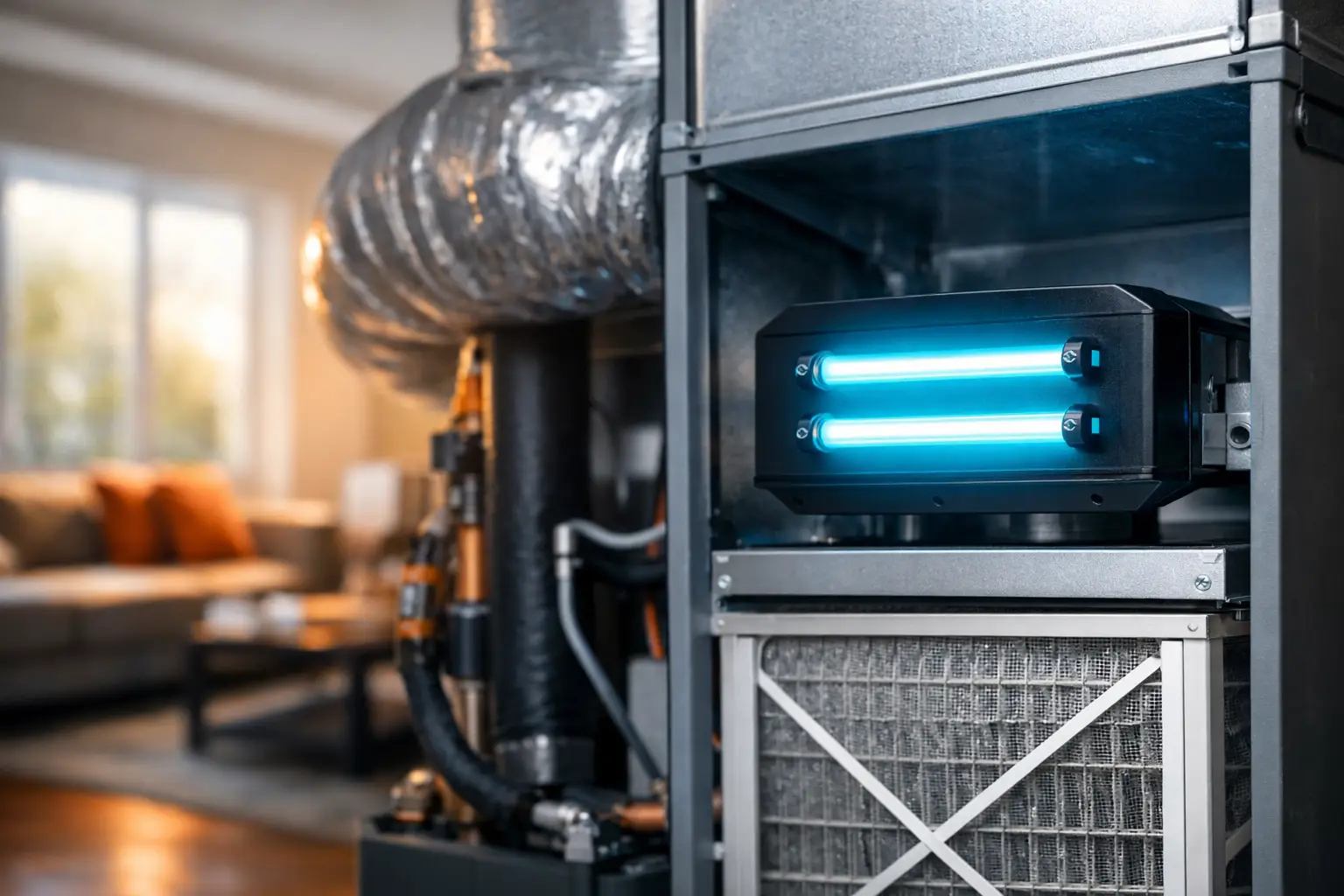
A portable unit can help one bedroom, but it will not do much for dust, odors, or allergens moving through the rest of the house. An air purifier for HVAC system use works differently: it treats air as it circulates through your central heating and cooling equipment. For Central Florida homeowners who run the AC for much of the year, that can make whole-home air quality improvements more practical - provided the equipment is chosen and installed correctly.
The key is not buying the strongest-sounding device. It is matching the air-cleaning method to your home, your HVAC system, and the problem you want to solve. A solution for pollen may not be the right solution for musty odors, pet dander, or concerns about microbial growth near the indoor coil.
What an Air Purifier for HVAC System Use Actually Does
A whole-home air purifier is installed in or near the ductwork, typically around the return-air side of the system. As household air cycles back to the air handler, the device captures particles, treats certain contaminants, or both before conditioned air returns to the rooms.
Unlike a single-room purifier, a duct-mounted option can work throughout the home without adding equipment to every living space. That is especially useful in homes with open floor plans, multiple bedrooms, pets, or family members with allergies.
Still, no purifier replaces basic HVAC care. A clogged filter, a dirty evaporator coil, leaky ducts, or indoor humidity that stays too high can all undermine air quality. In Florida, moisture control is often just as important as particle filtration. If an AC system is not removing humidity effectively, adding a purifier alone will not solve the underlying comfort issue.
Which Whole-Home Air Cleaner Fits Your Concern?
There is no single best choice for every household. The right recommendation depends on what is in the air, how your system is designed, and whether anyone in the home has heightened sensitivity to allergens or respiratory irritants.
High-efficiency media filtration
A properly sized media air cleaner uses a deeper, pleated filter cabinet than the standard one-inch filter slot found in many systems. These filters can capture more dust, pollen, pet dander, and other airborne particles while providing more surface area for airflow.
For many homes, this is the most practical first upgrade. It is dependable, does not create byproducts, and is easy to maintain when the filter is changed on schedule. The trade-off is that more filtration can also add resistance to airflow. A filter that is too restrictive for the equipment can reduce performance, contribute to frozen coils, and increase strain on the blower.
That is why filter ratings should not be chosen by marketing alone. A technician should confirm that the system can handle the filter type and that the cabinet is installed without bypass gaps around the filter.
Electronic air cleaners
Electronic air cleaners use an electrical charge to collect particles. Some models are designed for whole-home duct installation and can be effective for very small airborne particles. Their performance depends heavily on proper setup and regular cleaning.
These systems are not maintenance-free. Collection plates or cells need attention, and a neglected unit may lose effectiveness. Homeowners should also ask whether a specific model produces ozone and, if so, at what level. An air-cleaning product should improve the air in your home without introducing a new irritant.
UV light systems
UV lights are often installed near the indoor evaporator coil and drain pan, where cool surfaces and moisture can encourage biological buildup. Their purpose is different from a particle filter. UV treatment does not remove dust, pet dander, or pollen from the airstream.
A UV system may make sense when a home has recurring coil cleanliness concerns, visible buildup, or humidity-related conditions around the air handler. It is most effective as part of a complete approach that includes proper drainage, regular tune-ups, filtration, and humidity control. If the main complaint is dust on furniture or seasonal allergies, media filtration may deliver more noticeable results.
Activated carbon and odor control
Particles and odors are not the same problem. A standard filter can capture particles but does little to address cooking smells, smoke residues, or some volatile organic compounds. Carbon-based filtration can help with certain odors and gases, but the amount of carbon matters. A thin carbon coating will have limited capacity compared with a system designed for meaningful odor treatment.
If odors persist, it is also worth finding the source. A return duct leak, drain issue, damp insulation, pet area, or dirty coil can create odors that no purifier should be expected to hide.
Start With Your HVAC System, Not the Product Box
The best time to consider indoor air quality upgrades is during an HVAC service visit, maintenance appointment, or replacement consultation. The technician can look at the filter setup, duct configuration, blower capacity, coil condition, and drainage system before recommending a device.
A few practical questions help narrow the choice. Are family members bothered most by pollen, dust, pet dander, odors, or humidity? Does the home have one central system or separate systems for different areas? Is airflow already weak in certain rooms? Has the AC had frozen-coil problems or unusually high humidity?
These details matter because an air purifier for an HVAC system must work with the equipment, not against it. Installing a high-resistance filter in a marginal system can create a costly service problem. On the other hand, installing a low-grade filter in a home with severe allergies may not provide enough benefit to justify the effort.
For older systems, the existing return grille and filter rack may need improvement before a whole-home cleaner is added. Air can slip around a poorly fitted filter, carrying dust directly to the blower and coil. A correctly sealed filter cabinet is often a better investment than simply moving to a more expensive filter.
Humidity Is Part of the Air Quality Conversation
Central Florida homes face a particular challenge: outdoor humidity is high for long stretches of the year, and the AC system carries much of the responsibility for indoor moisture removal. When indoor humidity remains elevated, a home can feel sticky even at a normal thermostat setting. It can also contribute to musty smells, condensation, and conditions that encourage mold growth.
An air purifier does not function as a dehumidifier. If humidity is the main issue, the answer may involve AC sizing, refrigerant performance, airflow adjustments, duct leakage repairs, drainage corrections, or a dedicated dehumidifier. Oversized AC equipment can be part of the problem because it may cool the home quickly without running long enough to remove adequate moisture.
This is where a clear diagnosis protects the homeowner. You should not have to buy an air-quality accessory before someone determines whether the cooling system is operating as it should.
Maintenance Determines Whether It Keeps Helping
Every air-cleaning option has an upkeep requirement. Standard and media filters need replacement on the manufacturer’s schedule, which may change based on pets, occupancy, construction dust, and how often the system runs. Electronic components need cleaning. UV lamps need replacement at their rated service interval, even if the lamp still appears to glow.
Do not wait until the system shows obvious signs of trouble. A loaded filter can restrict airflow long before it looks completely blocked. During routine HVAC maintenance, the technician can check the filter cabinet, blower compartment, drain line, coil area, and installed air-quality equipment together.
Savage Heating & Air can evaluate whether your current system can support a whole-home air cleaner and explain the options without pushing a one-size-fits-all add-on. The goal is cleaner air without sacrificing cooling performance, especially when Florida heat is already placing a heavy demand on your AC.
If your home feels dusty, smells musty, or leaves allergy sufferers uncomfortable indoors, start by scheduling an HVAC and indoor air quality assessment. The right answer may be a better filter, a duct-mounted purifier, humidity improvements, or a combination that addresses the real source of the problem.
Comfort starts with a call
Same-day HVAC service across Brevard, Orange, Osceola, Seminole & Volusia.
Call 321-804-4413