
What Heating System Service Cost Really Covers
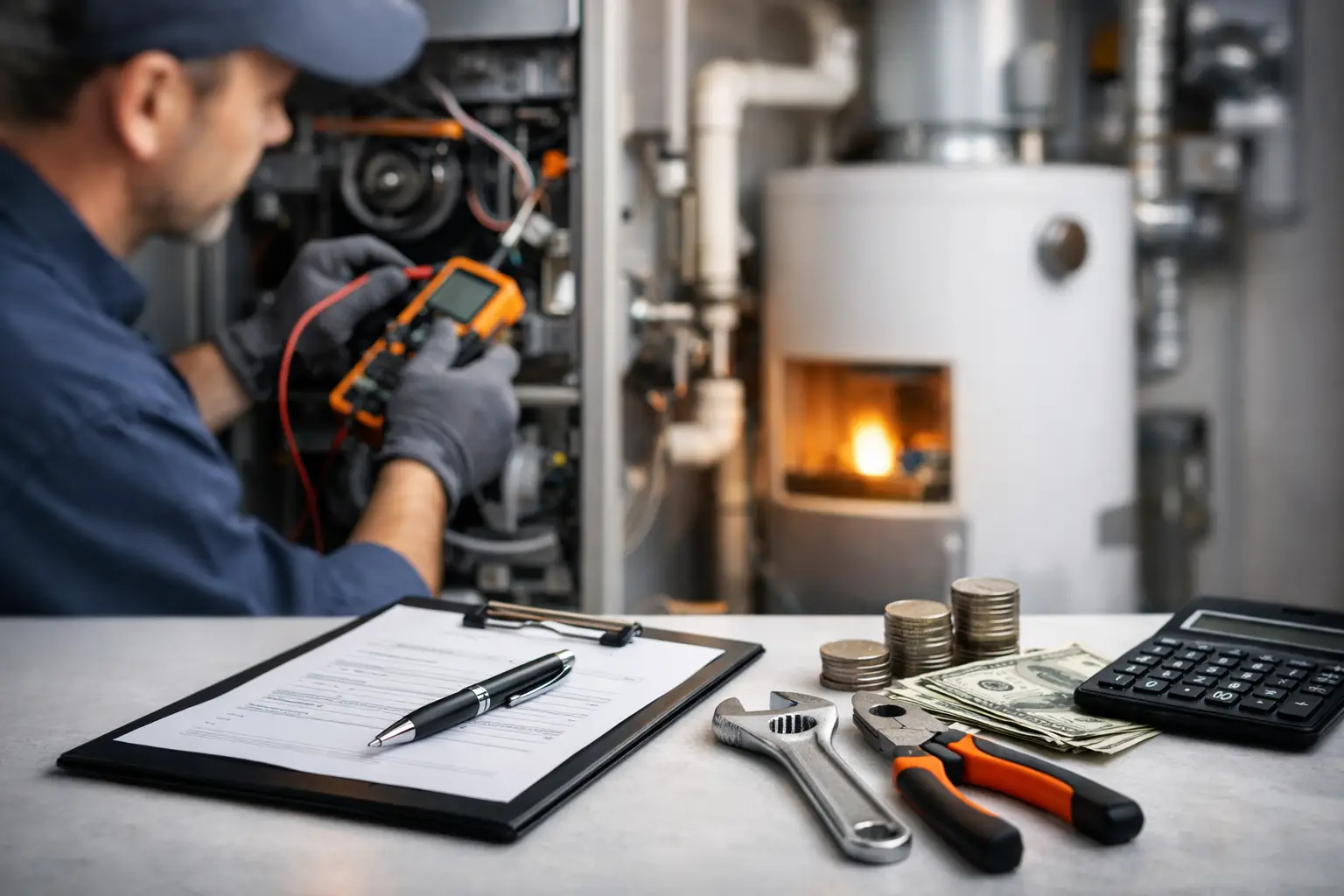
A heating problem in Central Florida may not get the same attention as a failed air conditioner, but a cold night can quickly expose a system that has been struggling for months. Heating system service cost is easier to manage when you understand what the technician is checking, what type of repair is needed, and when a repair is no longer the practical choice.
For many local homes, the heating system is part of a heat pump that also handles cooling. That means a heating visit may involve electrical controls, airflow, refrigerant performance, or a component that affects year-round comfort. A clear diagnosis matters more than a quick guess, especially when your system is also responsible for keeping humidity under control during Florida’s long cooling season.
What a Heating System Service Cost Usually Includes
The first charge is often a diagnostic or service-call fee. This covers the technician’s time to inspect the equipment, identify the source of the problem, and explain the recommended repair. It is not the same as the price of parts and labor needed to complete a repair.
During a typical heating service visit, a technician may inspect the thermostat, electrical connections, air filter, blower operation, safety controls, indoor and outdoor equipment, and heat pump reversing valve operation. They may also check refrigerant pressures if the symptoms point to a heat pump performance issue. The exact scope depends on whether the system will not heat at all, runs but delivers cool air, makes unusual noises, or cycles on and off too often.
A preventive tune-up is different from a repair call. Tune-ups are planned maintenance visits intended to catch wear, airflow restrictions, and electrical issues before they interrupt service. A repair visit is focused on solving a current problem. Homeowners should confirm which service they are scheduling so the pricing and expectations are clear from the start.
Typical Heating Service and Repair Price Ranges
Pricing varies by system type, access to the equipment, parts availability, and the amount of labor required. Still, broad ranges can help homeowners prepare for the conversation.
A diagnostic visit commonly falls in the range of $79 to $200. A seasonal heating or heat pump tune-up may range from roughly $75 to $200, depending on what is included and whether it is part of a maintenance plan. These figures can change based on the company, the age of the equipment, and local demand.
Minor repairs, such as replacing a capacitor, contactor, thermostat component, or a simple electrical connection, often range from about $150 to $500 after the diagnostic process. Mid-range repairs involving a blower motor, control board, defrost control, or reversing valve component can run from several hundred dollars to more than $1,000. Major heat pump repairs, including compressor-related work or a significant refrigerant leak, can cost substantially more.
Those numbers are not a substitute for an in-person estimate. A part that sounds small can require significant labor if the unit is difficult to access or if related components have been damaged. On the other hand, a no-heat call may turn out to be a thermostat setting, tripped breaker, dirty filter, or failed capacitor rather than a major system failure.
Why Heat Pump Heating Repairs Can Vary So Much
Most Central Florida homes use heat pumps rather than traditional furnaces. In heating mode, a heat pump moves heat from outdoor air into the home. Because the same equipment works through summer and winter, a problem with airflow, electrical components, refrigerant, or the outdoor unit can affect both heating and cooling.
The reversing valve is one example. This part changes the direction of refrigerant flow so the system can switch between cooling and heating. If it fails, the repair may be more involved than replacing a common electrical component. Defrost issues can also affect winter performance. When outdoor coils cannot defrost properly, the system may struggle to provide heat efficiently.
System age matters, too. Parts for an older or discontinued model may be harder to source. Older equipment can also have multiple worn components, making a single repair less likely to provide a dependable long-term result. A responsible technician should explain whether the immediate repair addresses the root cause or simply gets the system running temporarily.
The Factors That Affect Your Final Bill
The equipment itself is only one part of heating service pricing. Homeowners can expect the final estimate to reflect several practical factors:
- The type of system, including a heat pump, electric furnace, gas furnace, or ductless mini-split
- The failed part, its availability, and whether manufacturer warranty coverage applies
- Labor time, including attic access, tight closets, rooftop equipment, or complex electrical testing
- The condition of the system and whether related problems need attention for a safe, reliable repair
- The timing of the call, especially if a company charges extra for after-hours, weekend, or holiday service
Ask about the service-call fee, whether it is applied toward a completed repair, and whether the quoted total includes parts, labor, and any applicable taxes. A lower upfront fee is not always the lower final price. Clear, written pricing before work begins helps you compare options fairly.
For homeowners who need help outside a standard schedule, overtime policies matter. Savage Heating & Air provides homeowner-friendly pricing with no overtime charges, so a comfort problem does not have to wait simply to avoid an added after-hours fee.
Repair or Replacement: When Does Each Make Sense?
Repair is often the right choice when the system is relatively new, the issue is isolated, and the repair cost is reasonable compared with the remaining life of the equipment. A covered part can also make a repair especially worthwhile, although labor may not always be included under the manufacturer warranty.
Replacement deserves consideration when a heat pump is near the end of its expected service life, has recurring breakdowns, uses an outdated refrigerant, or needs a high-cost repair. If your utility bills have climbed, comfort is uneven from room to room, or the system is no longer keeping up in summer, the decision should account for cooling performance as well as heating.
There is no universal percentage that automatically tells you to replace instead of repair. A $1,200 repair can be sensible on a newer, otherwise efficient system and a poor investment on an aging unit with a history of problems. The useful comparison is the repair cost against the system’s condition, expected remaining life, efficiency, warranty status, and replacement options.
How to Avoid Surprise Heating Expenses
The most affordable repair is often the one caught early. Replace or clean filters on schedule, keep supply and return vents open, and avoid blocking the outdoor unit with leaves or landscaping. These steps support airflow, which is essential to both heat pump heating and air conditioning performance.
Schedule preventive service before you need emergency help. A technician can identify weak capacitors, worn electrical connections, drainage concerns, dirty coils, and blower issues that may become bigger problems under demand. Maintenance cannot prevent every failure, but it can reduce the chance that a small issue turns into a no-heat call.
When the system starts making new noises, blowing lukewarm air, short-cycling, or showing a sharp increase in energy use, schedule service before the problem worsens. Continuing to run a struggling heat pump can place extra strain on expensive components.
A fair heating service decision starts with a diagnosis you can understand and pricing you can review before approving work. Whether the fix is small or points toward replacement, prompt attention gives you more choices, more time to plan, and a better chance of protecting your home comfort budget.
Comfort starts with a call
Same-day HVAC service across Brevard, Orange, Osceola, Seminole & Volusia.
Call 321-804-4413