
How Often Should AC Maintenance Be in Florida?
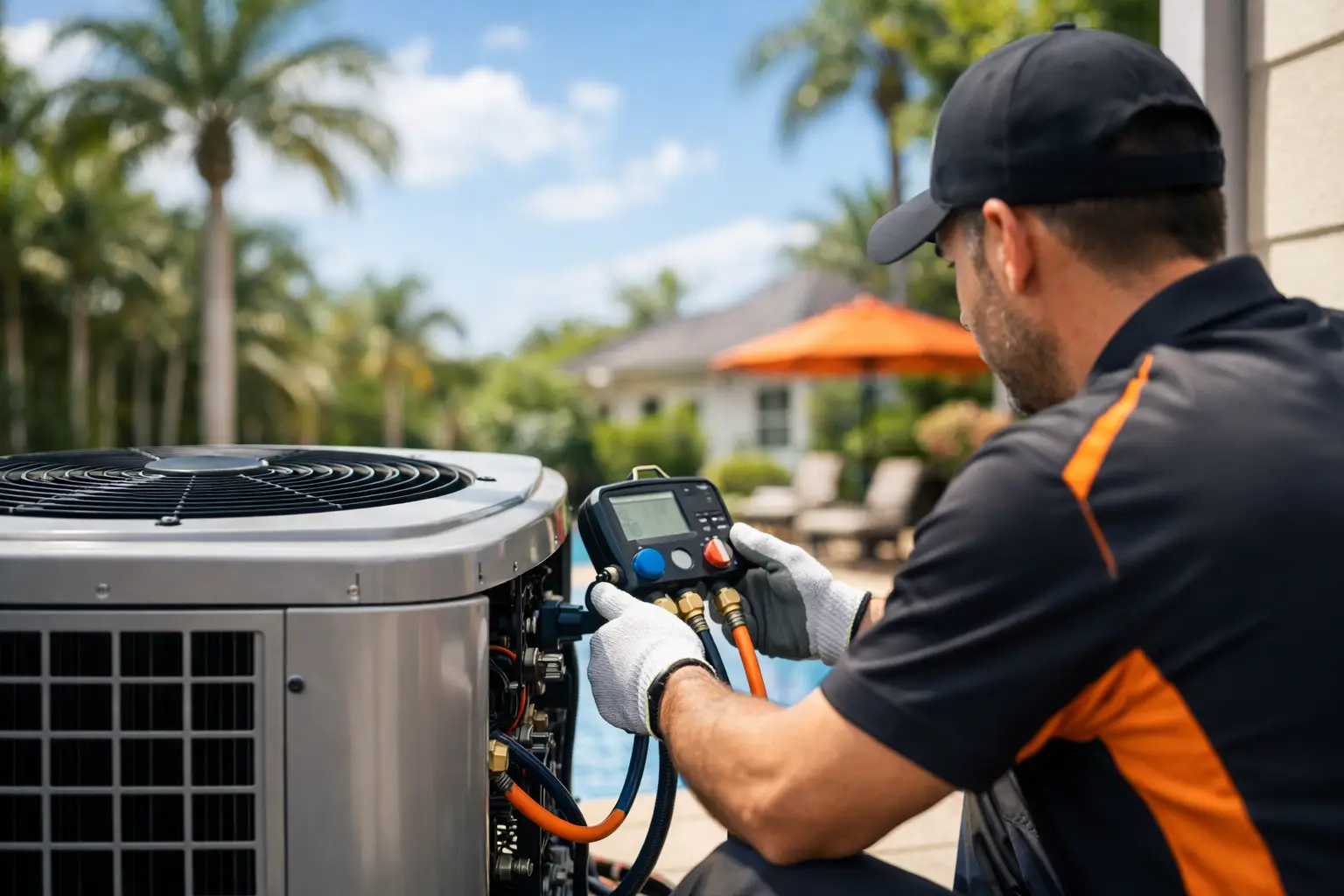
A Florida AC can run almost every month of the year. That constant workload is why homeowners often ask how often AC maintenance in Florida is actually necessary - especially when the system seems to be cooling just fine. Waiting until the first hot day to find out there is a problem can mean a warm house, an urgent repair call, and a decision made under pressure.
For most Central Florida homes, professional AC maintenance twice a year is the practical standard. One visit should happen before the heavy cooling season, and a second visit helps the system recover after months of heat, humidity, rain, and near-daily use. Some homes may do well with one thorough annual tune-up, but twice-yearly service offers better protection for equipment that works as hard as it does here.
How Often Should AC Maintenance Be in Florida?
Schedule AC maintenance every six months when possible. A spring tune-up prepares the system for the hottest stretch of the year. A fall visit checks for wear after the long cooling season and gives a technician the chance to address small concerns before they become a no-cool emergency.
This schedule is not about creating unnecessary appointments. Florida air conditioners face conditions that are tougher than those in many other parts of the country. High outdoor temperatures force longer run times. Humidity makes the system remove moisture as well as heat. Afternoon storms, leaves, insects, and debris can affect the outdoor unit, while condensate drains work overtime inside.
A once-a-year maintenance visit can be reasonable for a newer system in a lightly used home, particularly if the homeowner changes filters consistently and keeps the outdoor unit clear. Still, households with pets, allergies, high occupancy, older equipment, or uneven cooling should lean toward two visits per year. The same is true for homes near the coast, where salt air can speed up corrosion on outdoor components.
Why Florida Systems Need More Attention
An AC system does more than lower the temperature. During a Florida summer, it also pulls a significant amount of moisture from indoor air. That water has to drain correctly. If algae or buildup clogs the condensate line, water can back up, trigger a safety switch, damage nearby materials, or stop the system from running.
Dirty filters and coils create another common problem. Restricted airflow makes the equipment work harder to move cooled air through the home. The result may be higher electric bills, rooms that feel muggy, frozen coils, or a system that runs for long stretches without reaching the thermostat setting.
Maintenance gives a technician time to inspect electrical connections, capacitors, contactors, refrigerant performance, blower operation, drain components, thermostat settings, and the condition of the indoor and outdoor coils. Not every visit finds a major issue. That is the point. A loose wire, weak electrical part, or dirty drain line is far easier and less expensive to address before it causes a complete breakdown.
What a Professional Tune-Up Should Accomplish
A useful maintenance visit should leave you with a clearer picture of how your system is operating, not just a receipt saying it was checked. The technician should inspect the equipment, test its operation, clean or clear components as needed, and explain any concern in plain language.
The outdoor condenser needs enough open space to release heat. Grass clippings, mulch, leaves, and overgrown landscaping can interfere with airflow. Inside, the air handler, blower assembly, filter area, drain pan, and condensate line deserve equal attention. The indoor portion of the system is where moisture-related problems often start.
A technician may also identify whether a repair is worth making based on the unit's age, repair history, efficiency, and condition. Maintenance is not a guarantee that a part will never fail. It is a way to reduce avoidable failures and replace the guesswork with a professional assessment before the heat makes every decision more urgent.
The Best Times to Schedule Service
Spring is the most valuable time for the first visit. Scheduling before consistently hot weather arrives gives you a chance to correct problems before your AC becomes essential around the clock. It can also be easier to book a convenient appointment before repair demand rises during the hottest weeks.
Fall is a smart time for the second visit, even if your home will continue using AC through winter. The system has just completed its hardest season, and a post-summer inspection can catch wear caused by long run times. If your home has a heat pump, this appointment can also confirm that heating mode is ready for the occasional Central Florida cold snap.
If you missed the ideal season, do not wait until next year. Maintenance is still worthwhile at any point. A system that is noisy, cycling frequently, draining poorly, or struggling to cool deserves attention now.
Between Visits, Homeowners Can Prevent Simple Problems
Professional service handles the technical work, but a few basic habits help your AC run more reliably. Check the filter monthly and replace it when it looks dirty. Many homes need a new filter every one to three months, although pet hair, construction dust, and allergy concerns may require more frequent changes.
Keep the outdoor unit clear of leaves, branches, and stored items. Do not cover it tightly or crowd it with shrubs. Make sure supply vents inside the home remain open and unobstructed by furniture or rugs, since closed vents can reduce airflow and create comfort problems elsewhere in the system.
It also helps to pay attention to changes rather than waiting for a total failure. A musty odor, unusual rattling, ice on refrigerant lines, water around the indoor unit, weak airflow, or a sudden jump in energy use can all signal a problem. Change the filter if needed, but do not keep resetting breakers or ignoring a drain issue. Those are situations where professional service is the safer choice.
When Maintenance Is Not Enough
A tune-up can correct many small issues, but it cannot reverse severe wear or make an aging system new again. If repairs are becoming frequent, your home has persistent hot spots, or the system uses an outdated refrigerant, it may be time to discuss replacement options.
The decision depends on more than the unit's age. A relatively young system with a major repair need may still be worth fixing, while an older unit that has repeated breakdowns can become expensive to keep running. A straightforward technician should explain both paths, including what needs repair now and what the likely longer-term costs may be.
For homeowners who want better humidity control or cleaner indoor air, maintenance is also a good time to ask questions. Problems such as excess dust, stale odors, or rooms that feel cool but damp may point to airflow, filtration, duct, or humidity-control needs rather than a simple thermostat adjustment.
A Practical Maintenance Schedule for Florida Homes
Plan one AC visit in spring and another in fall, then change filters and keep an eye on airflow between appointments. That simple routine fits most Florida households and gives you the best chance of avoiding a surprise failure during extreme heat.
When your system is already showing warning signs, do not wait for the next maintenance date. Savage Heating & Air provides residential AC service across Central Florida, including same-day repair when available and no overtime charges. A timely inspection can protect your comfort, your equipment, and your budget before a small issue becomes a long, hot night indoors.
Comfort starts with a call
Same-day HVAC service across Brevard, Orange, Osceola, Seminole & Volusia.
Call 321-804-4413