
Residential AC Installation Cost in Florida
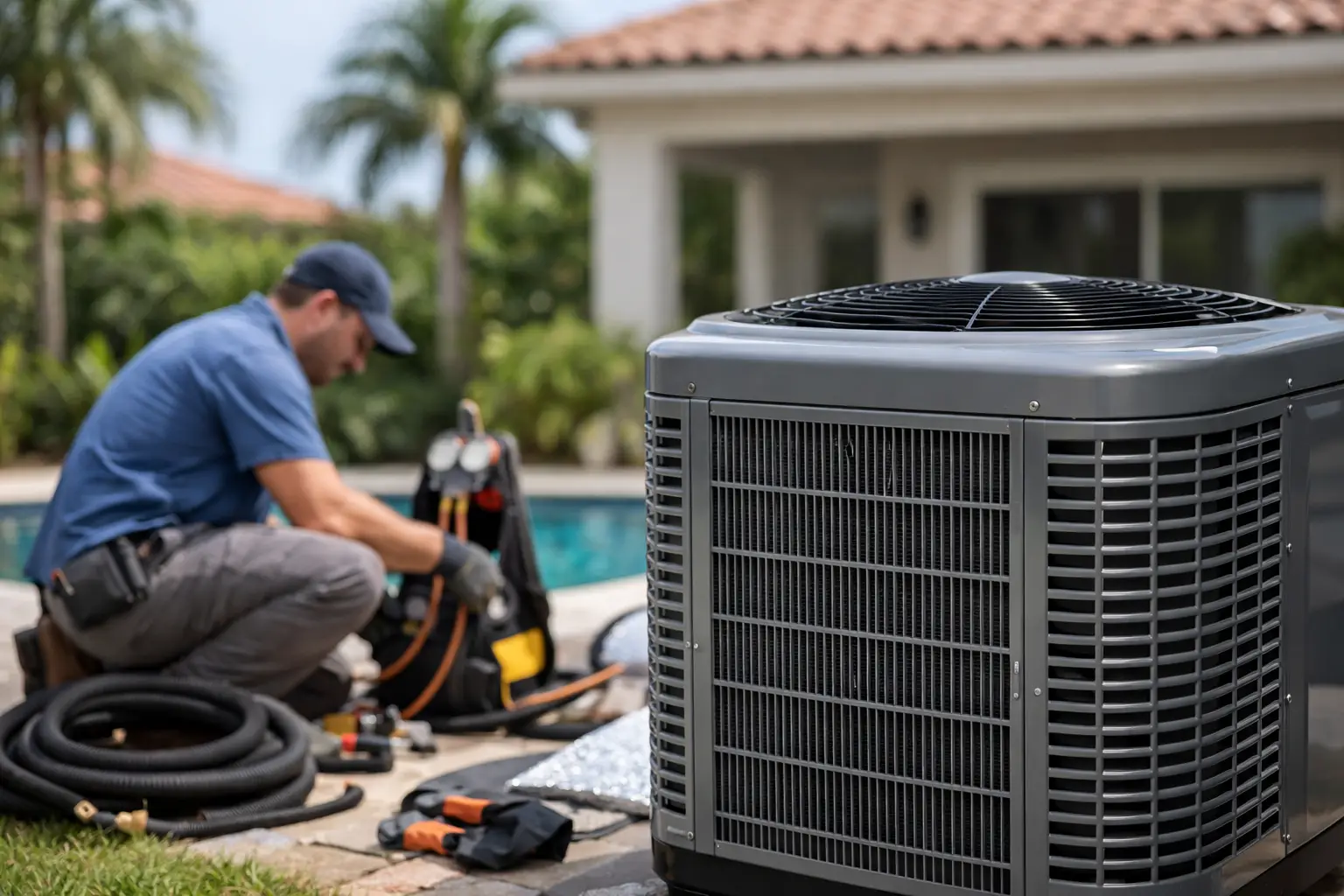
A failed AC in Central Florida can turn a normal afternoon into an urgent decision. While the residential AC installation cost matters, the lowest quote is not always the least expensive choice over the life of the system. The right replacement should cool your home evenly, control humidity, fit your electrical and ductwork requirements, and come with clear pricing before work begins.
For most homeowners, a professionally installed central air conditioning system is a major home investment. Understanding what goes into the estimate helps you compare proposals confidently and avoid paying for options your home does not need.
What Does Residential AC Installation Cost in Central Florida?
Most Central Florida homeowners can expect a full AC replacement to fall somewhere between $6,000 and $15,000 or more. A straightforward changeout using a standard-efficiency system will usually land toward the lower end. Larger homes, high-efficiency equipment, duct repairs, electrical upgrades, and added comfort features can raise the final price.
That range is broad because no two homes have the same cooling load, layout, duct condition, or installation requirements. A contractor should inspect the home and existing equipment before providing a reliable quote. A price given without looking at the system may leave out important work that appears later as an added charge.
Florida’s heat and humidity also make sizing and installation quality especially important. An AC system that is too small may run constantly and struggle on the hottest days. One that is too large can cool the air too quickly without removing enough moisture, leaving rooms cool but clammy.
The Biggest Factors Behind Your Installation Quote
System size and cooling capacity
Air conditioners are sized in tons, with most homes needing equipment in the 2- to 5-ton range. More tonnage generally costs more, but square footage alone does not determine the correct size. Ceiling height, insulation, window exposure, household occupancy, duct design, and the condition of the home all affect the calculation.
A proper load calculation protects you from guesswork. Replacing a 4-ton unit with another 4-ton unit may be appropriate, but it is not automatically the best answer if the home has changed or the original system was improperly sized.
Efficiency rating
Higher-efficiency systems cost more upfront but may reduce monthly electricity use. In Florida, where cooling demand is high for much of the year, that difference can be meaningful. The right efficiency level depends on how long you expect to stay in the home, your comfort goals, and your budget.
A basic system can be a practical choice for a rental property or a homeowner who needs a dependable replacement quickly. A higher-efficiency unit may make more sense for a long-term home, particularly when paired with well-sealed ducts and a properly matched indoor air handler.
Equipment type and configuration
A traditional split system includes an outdoor condenser and an indoor air handler or furnace. If both pieces need replacement, the cost is higher than replacing one component, but matching equipment is often the better long-term solution. New outdoor units may not perform correctly with older indoor coils or air handlers.
Heat pumps are also common in Central Florida because they provide both cooling and heating. Their installation cost can be similar to a conventional AC system, depending on the model and existing setup. Ductless mini-splits may be a good fit for additions, garages, converted spaces, or homes where extending ductwork is impractical.
Ductwork, drainage, and electrical work
The equipment itself is only part of the job. Damaged, undersized, or leaky ductwork can waste cooled air and make certain rooms uncomfortable. Some homes need duct repairs or replacement sections before a new system can perform as intended.
Drainage matters, too. Your AC removes moisture from the air, and that water must drain safely. A new drain line, float switch, drain pan work, or condensate pump may be needed to help prevent water damage and system shutdowns. Electrical upgrades, new disconnects, or code-required improvements can also affect the estimate.
Labor, permits, and installation standards
A professional installation includes more than setting equipment in place. The technician must safely remove old equipment, connect refrigerant lines, pressure-test the system, evacuate moisture from the lines, verify airflow, set up drainage, and test operation. Permits and code compliance may also be required based on the location and scope of work.
This is where very low bids deserve a closer look. A lower price may reflect a smaller scope, not necessarily a better value. Ask what is included, how the system will be commissioned, whether permits are included when needed, and what warranty support is available after installation.
What Should Be Included in an AC Replacement Estimate?
A clear estimate should make it easy to see what you are paying for. It should identify the proposed equipment, capacity, efficiency rating, and whether the indoor and outdoor components are both being replaced. It should also explain labor, refrigerant-related work, removal and disposal of old equipment, permit costs if applicable, and any recommended duct, electrical, or drainage improvements.
You should not have to guess whether a quoted price includes the items needed to get the system running safely. If a recommendation is optional, such as a particular indoor air quality accessory, it should be presented separately from essential installation work.
It is also reasonable to ask about manufacturer warranties and labor coverage. Manufacturer warranties commonly cover certain parts for a stated period when equipment is registered, while labor coverage varies by contractor and plan. Knowing the difference can prevent confusion if a repair is needed later.
When Repair May Cost Less Than Replacement
A repair is often the right move when the system is relatively new, the problem is isolated, and the unit has otherwise been cooling reliably. For example, replacing a capacitor, contactor, thermostat, or minor electrical component is very different from replacing a failed compressor in an older unit.
Replacement becomes easier to justify when repairs are recurring, the system uses an outdated refrigerant, utility bills keep rising, or the unit cannot maintain comfortable temperatures. Age alone does not make replacement mandatory, but a system approaching the end of its expected service life may not be the best place to put repeated repair dollars.
A trustworthy recommendation should explain both paths. Homeowners deserve to know the repair cost, the likely condition of the existing system, and why replacement may or may not make financial sense.
How to Keep Installation Costs Under Control
The best way to control cost is to plan before a complete breakdown forces a same-day decision. Schedule maintenance, address airflow concerns early, and pay attention to rising electric bills or rooms that never feel comfortable. Those signs can reveal duct or equipment issues before the AC stops working entirely.
When you are ready to replace, compare complete scopes of work rather than comparing one bottom-line number. Confirm the system size, efficiency, included accessories, permit handling, and any required repairs. If financing is available, look at the full payment terms and total cost, not only the monthly amount.
Avoid choosing a system solely because it has the highest efficiency rating. A correctly sized, properly installed mid-efficiency system can outperform a premium unit installed on poor ductwork or without proper commissioning. Your home’s needs should guide the recommendation.
A Better Replacement Decision Starts With a Home Evaluation
An in-home evaluation gives you a clearer picture of what your replacement actually requires. The contractor can inspect the existing unit, check the air handler, review duct conditions, assess drainage and electrical needs, and talk through comfort concerns such as humidity, hot bedrooms, or uneven airflow.
For homeowners across Brevard, Orange, Osceola, Seminole, and Volusia counties, Savage Heating & Air provides straightforward recommendations built around the home and the budget. If your AC is still repairable, that should be clear. If replacement is the smarter path, you should receive an understandable scope of work without pressure or surprise overtime charges.
A new AC should bring relief when Florida heat settles in, not another source of uncertainty. Ask questions, compare complete proposals, and choose the system and installation approach that will keep your home comfortable for the years ahead.
Comfort starts with a call
Same-day HVAC service across Brevard, Orange, Osceola, Seminole & Volusia.
Call 321-804-4413