Same-Day AC Repair for Central Florida Homes
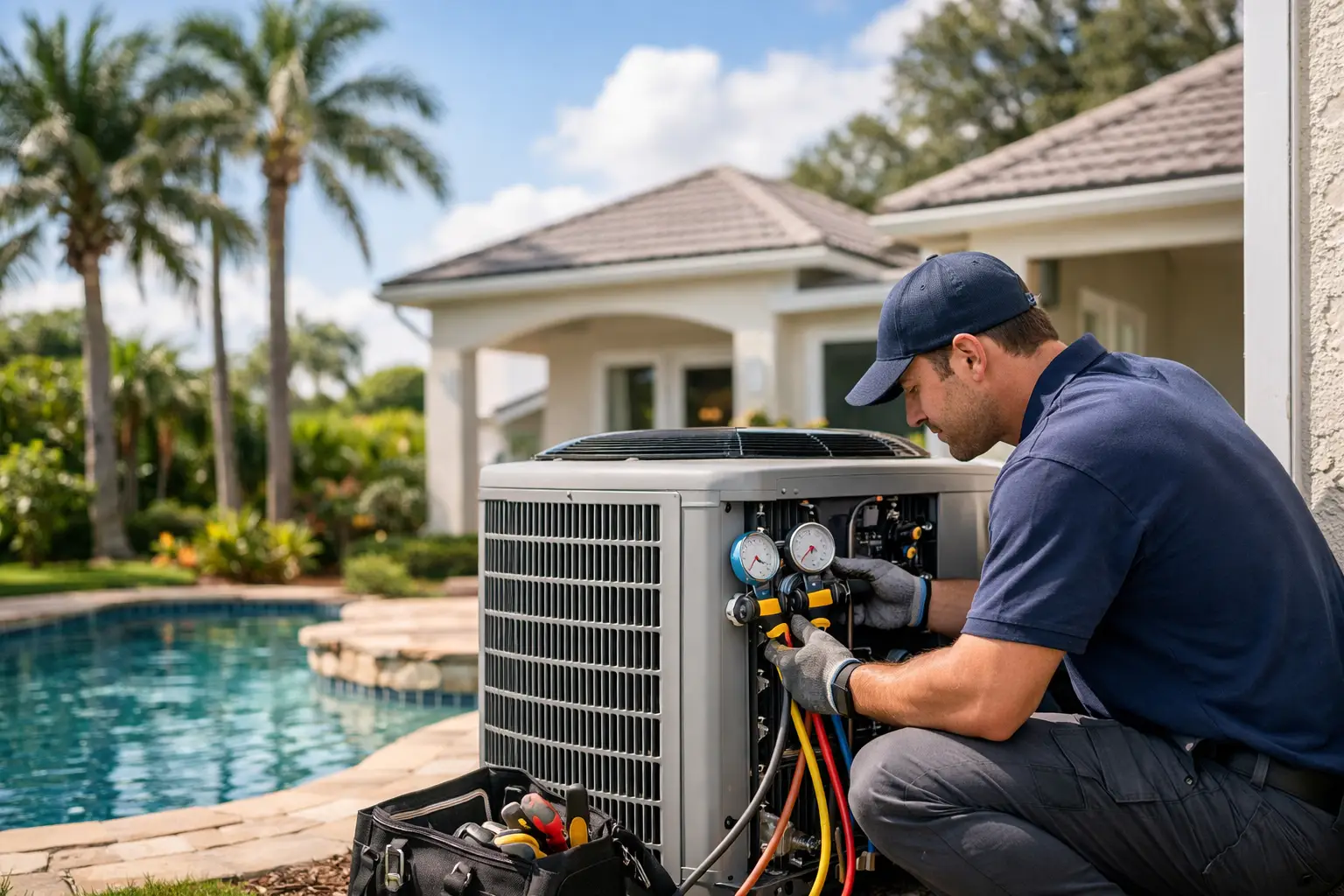
When your AC quits at 4 p.m. and the house is already climbing past 80 degrees, waiting until tomorrow is not a practical plan. Same day AC repair Central Florida homeowners can rely on means getting a clear answer, a qualified technician, and a repair path that puts comfort first without turning an urgent call into an expensive surprise.
Florida heat does not pause for a convenient appointment window. High humidity can make a home feel uncomfortable quickly, especially for young children, older adults, pets, and anyone working from home. A fast response matters, but so does having a technician who explains what failed, what can be repaired, and when replacement may be the more sensible investment.
When Same-Day AC Repair Is the Right Call
Not every AC concern is an emergency, but some problems should not wait. If the system is blowing warm air, will not turn on, trips the breaker repeatedly, leaks water indoors, or makes loud grinding or buzzing sounds, schedule service as soon as possible. Continuing to run a struggling system can turn a manageable repair into compressor damage, water damage, or a complete system failure.
A unit that is still cooling but running constantly also deserves attention. In Central Florida, an AC system may run for long stretches during summer. However, it should still cycle off once the thermostat setting is reached. If it cannot keep up, your home feels humid, or your electric bill rises sharply without another clear reason, something is likely affecting performance.
Same-day service is especially valuable when the issue leaves the home without dependable cooling. It also helps when a small problem may create a larger one overnight. A clogged condensate drain, for example, can trigger a safety switch and shut the system down. Left unaddressed, water can back up around the indoor equipment.
What to Check Before Calling for AC Repair
Homeowners should not need to diagnose an air conditioner before requesting help. Still, a few safe checks can provide useful information and occasionally solve a simple issue.
First, confirm that the thermostat is set to cool and that its temperature setting is below the current room temperature. Check that the thermostat has power and replace batteries if your model uses them. Then look at the air filter. A heavily clogged filter can restrict airflow, reduce cooling, and contribute to system strain.
Next, check the electrical panel for a tripped breaker. If you reset an AC breaker and it trips again, leave it off and call for service. Repeated tripping can point to an electrical or mechanical problem that needs professional attention. Do not keep resetting it in hopes that the system will stay on.
You can also make sure the outdoor unit is free of leaves, grass clippings, and stored items. The unit needs room to move heat out of your home. Avoid removing panels or touching electrical components, refrigerant lines, or internal parts. Those steps are not homeowner repairs and can create a safety risk.
What a Good Same-Day Repair Visit Should Include
Fast service should not mean rushed guesswork. A proper AC repair visit begins with listening to what changed: whether the system stopped suddenly, struggled over several days, made unusual sounds, or leaked water. Those details help narrow the diagnosis.
The technician should inspect the system's operation, including airflow, thermostat response, electrical components, drainage, and cooling performance. Depending on the symptoms, that may include checking capacitors, contactors, motors, coils, refrigerant pressures, safety switches, and the condition of the blower and outdoor condenser.
Once the cause is identified, you deserve a straightforward explanation. The most useful recommendation answers three questions: What failed? What will the repair cost? What are the reasonable alternatives if the equipment is older or has a major issue?
Savage Heating & Air provides residential same-day service across Central Florida with no overtime charges, so homeowners can make decisions based on the repair itself rather than worrying about an added after-hours fee. That pricing approach matters when a breakdown happens at the worst possible time, which is often how AC problems seem to work.
Repair or Replace? The Answer Depends on the System
A working repair is usually the best choice when the unit is relatively new, the issue is isolated, and the system has otherwise cooled reliably. Common parts such as capacitors, contactors, drain components, and some motors can often be repaired without making replacement the immediate answer.
The decision becomes more complicated when an older system has recurring breakdowns, major compressor trouble, a leaking coil, or a repair bill that is large compared with the value and remaining life of the equipment. An inefficient unit may also cost more to operate every month, particularly during long Central Florida cooling seasons.
There is no single age at which every AC should be replaced. Maintenance history, repair frequency, refrigerant type, comfort problems, energy use, and the condition of both indoor and outdoor equipment all matter. A trustworthy technician should explain the trade-off without pressuring you into a replacement before it makes financial sense.
If replacement is the better path, proper sizing is critical. Bigger is not automatically better. An oversized system can cool too quickly without removing enough humidity, while an undersized system may run excessively and struggle on the hottest days. A new HVAC installation should be selected for the home's layout, insulation, ductwork, windows, and comfort needs.
Central Florida Problems That Can Affect Your AC
Our climate puts air conditioners through a demanding workload. Heat and humidity are only part of the picture. Summer storms can cause power disruptions and electrical surges. Heavy rain and high moisture can contribute to drainage issues. Pollen, dust, and landscaping debris can reduce airflow around outdoor units and clog filters faster than many homeowners expect.
Humidity also changes how comfort feels. A thermostat may show a reasonable temperature while rooms still feel sticky or stale. In some homes, the issue is related to system performance or ductwork. In others, indoor air quality equipment, improved filtration, or humidity control may be worth discussing.
Homeowners in Brevard, Orange, Osceola, Seminole, and Volusia counties should also consider how hard their systems work during the warmest months. A tune-up before peak heat does not guarantee that a part will never fail, but it can catch worn components, airflow restrictions, and drainage concerns before they become a no-cooling call.
How to Protect Your Home While You Wait
If your AC is down and a technician is on the way, keep blinds and curtains closed on sunny windows. Avoid using ovens, dryers, and other heat-producing appliances if possible. Run ceiling fans to improve air movement, but remember that fans cool people, not rooms, so turn them off in empty spaces.
If there is water around the indoor unit, protect nearby flooring and belongings. Do not allow water to reach electrical equipment. If you smell burning, see smoke, hear severe electrical buzzing, or suspect an unsafe condition, turn the system off at the thermostat and breaker, then seek immediate professional help.
For households with medically vulnerable family members, infants, or older adults, make a backup plan if indoor temperatures rise quickly. Temporary relocation to a cooler place may be safer than trying to wait out an extended outage.
Prevent the Next Last-Minute Breakdown
The easiest repair call is the one you never have to make, although no maintenance plan can prevent every unexpected failure. Change filters on a schedule that fits your household, keep the outdoor unit clear, and pay attention when cooling starts to feel different. Small warning signs are often less costly to address before the system stops altogether.
Professional preventive tune-ups add another layer of protection. They give technicians a chance to inspect electrical connections, drainage, moving parts, airflow, and overall cooling operation. They also give homeowners a clearer picture of whether the system is dependable for another season or beginning to need more frequent attention.
When the air stops working, you do not need a lecture or a vague appointment promise. You need an honest assessment and a practical way to get your home comfortable again. Acting early, asking clear questions, and choosing service without overtime charges can make a stressful Florida AC failure much easier to handle.
Comfort starts with a call
Same-day HVAC service across Brevard, Orange, Osceola, Seminole & Volusia.
Call 321-804-4413