
Why Your Thermostat Reads the Wrong Temperature
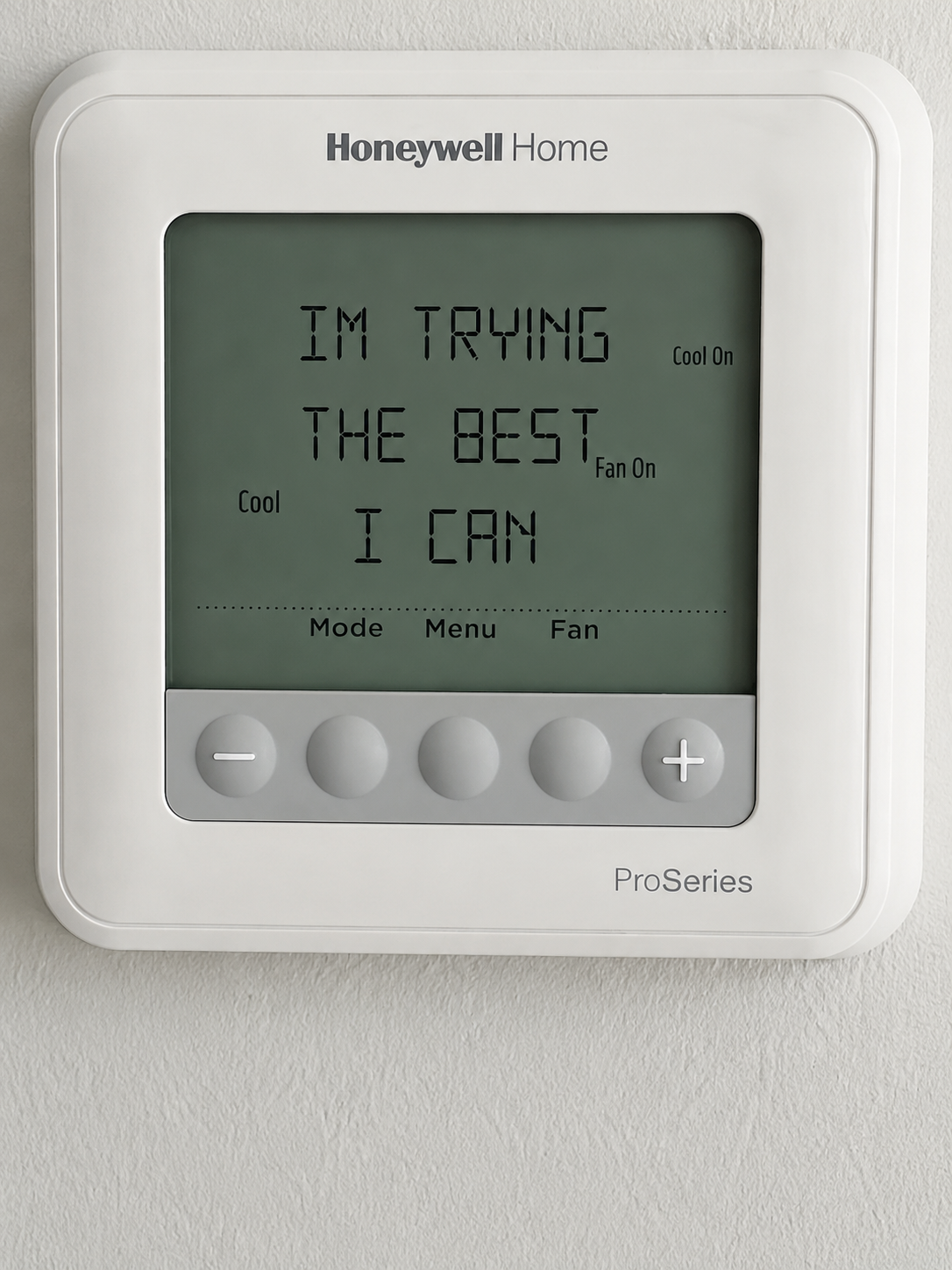
Why a Thermostat Can Be Wrong
A thermostat is only as accurate as the air around it. If it is exposed to a warm wall, direct sunlight, a nearby supply vent, or an interior heat source, it may read a temperature that does not match the rest of the home. In Central Florida, that mismatch is common because our cooling systems run hard for long stretches, and humidity makes the home feel warmer than the thermostat number suggests.
The good news: a “wrong” thermostat reading does not always mean the thermostat is broken. In many cases, the issue is installation, airflow, or a system problem that is making the thermostat report conditions incorrectly.
Common Reasons Your Thermostat Reads the Wrong Temperature
Poor thermostat placement
A thermostat should be in a representative spot, not near a kitchen, window, lamp, or supply register. If it is on a wall that gets afternoon sun, it can read several degrees higher than the rest of the home. In Florida, this is especially noticeable on west-facing walls where heat gain is intense.
Dirty or obstructed sensors
Most modern thermostats use a small internal sensor to measure air temperature. Dust, debris, or even paint overspray can interfere with the reading. If the thermostat screen is enclosed in a decorative cover or blocked by furniture, the air around it may not circulate properly.
Humidity is making the home feel warmer
A thermostat measures temperature, not humidity comfort. In Brevard, Orange, Osceola, Seminole, and Volusia counties, high indoor humidity can make 74°F feel muggy and uncomfortable even when the thermostat is technically correct. If your home feels warmer than the number on the wall, the issue may be poor dehumidification rather than temperature error.
Low airflow across the thermostat
A thermostat needs moving air from the room to sample conditions accurately. If a return is closed, a doorway is shut, or the thermostat sits in a dead-air area, it may lag behind the actual room temperature. This can happen in homes with additions, converted garages, or rooms that never seem to cool evenly.
Duct leaks or unbalanced airflow
If your AC is sending cold air to one part of the house and not another, the thermostat may think the entire home is cooler than it really is. Leaky ducts in the attic are a major issue in Florida because hot attic air and high humidity can reduce comfort and raise energy use.
A failing thermostat or bad calibration
Thermostats can drift out of calibration over time. Battery issues, wiring problems, or an aging sensor can cause inaccurate readings. This is common with older thermostats, but even smart thermostats can develop problems if they are installed incorrectly or lose proper communication with the HVAC system.
HVAC equipment problems
Sometimes the thermostat is not the problem at all. A weak blower motor, clogged air filter, frozen evaporator coil, low refrigerant, or short-cycling AC system can create uneven temperatures throughout the house. The thermostat may read one temperature while different rooms feel completely different because the system is not moving or cooling air correctly.
How to Check Whether the Reading Is Accurate
Start by comparing the thermostat to a reliable room thermometer placed a few feet away in the same area. Let both sit for 15 to 20 minutes, away from direct sunlight, vents, or appliances. A difference of 1 to 2 degrees can be normal. Larger gaps usually point to a placement, calibration, or airflow issue.
Also check these basics:
- Replace thermostat batteries if your model uses them
- Make sure the thermostat is clean and free of dust
- Confirm the air filter is not clogged
- Check that supply vents and return grilles are open and unobstructed
- Look for signs of uneven cooling, such as hot bedrooms or a damp, sticky feel indoors
When to Call an HVAC Professional
If the thermostat is consistently off, the home feels humid, or some rooms are much warmer than others, it is time for a professional inspection. An experienced HVAC technician can test thermostat calibration, inspect airflow, check duct leakage, and evaluate whether the system is properly sized for your home.
That last point matters in Florida. An oversized system may cool the air too quickly without removing enough moisture, leaving the house uncomfortable even when the thermostat looks fine. A properly sized, well-balanced system should cool evenly and control humidity at the same time.
The Bottom Line
A thermostat that reads the wrong temperature is often a symptom, not the root cause. In Central Florida, the most common culprits are poor placement, humidity, airflow problems, and AC issues that affect comfort across the whole home.
If your thermostat seems off or your home never feels as cool as the number suggests, Savage Heating & Air can help diagnose the issue and get your comfort back on track. Call 321-804-4413 to schedule service in Brevard, Orange, Osceola, Seminole, or Volusia County.
Comfort starts with a call
Same-day HVAC service across Brevard, Orange, Osceola, Seminole & Volusia.
Call 321-804-4413